What Business Owners Need to Do Before Tax Season Starts
What Business Owners Need to Do Before Tax Season Starts Using a Simple, Calm Plan
Tax season has a way of showing up like a surprise inventory count. One minute I’m labeling bins and packing orders, the next I’m staring at a pile of receipts thinking, “Wait, is this… a deductible expense or just my caffeine habit?”
If tax season makes you feel behind before it even begins, I get it. The fix is not working longer hours. It’s getting a few key money tasks lined up early, so you can hand things off (to your tax pro or your future self) without the scramble.
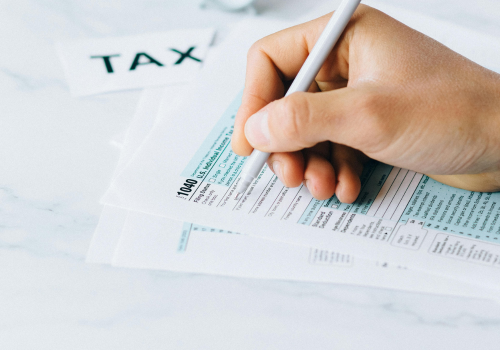
Get your bookkeeping caught up before tax season starts
If you only do one thing before tax season, make it this: get your bookkeeping up to date.
When your books are current, tax prep becomes a review. When your books are messy, tax prep turns into detective work (and nobody wants to pay for that time).
Here’s what “caught up” actually means in real life:
All income is entered (and matched to deposits)
All expenses are entered and categorized correctly
Bank and credit cards are reconciled (not just “close enough”)
Anything weird is flagged now, not in March
Tax season prep checklist (use this as your baseline)
If this is the part you get stuck on, here’s a deeper dive that can help (you’ll learn why messy books cost you money fast): You Can’t Out-Earn Disorganized Finances
And if you want this handled with you, not just handed to you, you can start here (you’ll learn which bookkeeping support fits your shop): Bookkeeping Services
If this sounds like you…
If you’re nodding along to any of these, you’re not alone:
You have months of unreconciled transactions
Your “Ask My Accountant” category is doing the most
Your Shopify deposits do not match your sales
You keep meaning to clean it up “after the busy season”
That is exactly why I focus on simple, step-by-step cleanup. You do not need perfection. You need clarity.
Run your reports and sanity-check them for tax season
Once transactions are up to date, I want you to look at two reports:
Profit & Loss (P&L)
Balance Sheet
You don’t need to love reports. You just need them to make sense.
Here are a few “tax season red flags” I look for right away:
Income looks too low (missing deposits, missing sales channels, or refunds netted wrong)
Expenses are wildly high in one category (usually miscategorized inventory, owner draws, or duplicate entries)
Credit cards show negative balances (often a sign something got flipped)
Inventory or loan balances look impossible (usually an old opening balance issue)
One simple numbers example (this trips up a lot of sellers)
Let’s say your online store shows $10,000 in sales for the month.
But your bank deposits are only $9,620.
That does not automatically mean you “lost” $380.
It usually means fees and refunds happened before the payout hit your bank, like:
Gross sales: $10,000
Payment processing fees: $280
Refunds: $100
Net deposited: $9,620
If your bookkeeping only records the $9,620 deposit as “Sales,” your income is understated, and your fees/refunds are missing. That can mess with reporting, cash flow decisions, and how confident you feel going into tax season.
For more info on cash flow clean-up (you’ll learn the most common mistakes and quick fixes), check out: Cash Flow Mistakes (And What To Do Instead)
Handle 1099s, payroll, and sales tax before tax season chaos
This is the part that gets business owners every year because it has deadlines and details.
Contractors (1099s)
If you paid contractors, I want you to confirm you have:
Legal name + business name (if different)
Address
Tax ID (W-9 on file)
Total paid for the year (by vendor)
Also, do not wait until the end to figure out who needs a 1099. In many cases, Form 1099-NEC must be provided and filed by January 31.
For the official IRS guidance (you’ll learn due dates and filing basics).
And if you want a quick gut-check tool (you’ll learn who typically does and does not get a 1099), head here: Decision Tree for Who Gets a 1099?
Employees (payroll)
If you have employees, pull your year-end payroll reports early. Even if payroll is “handled,” mistakes happen, and tax season is the worst time to discover a missing address or mismatched Social Security number.
Sales tax
Sales tax is not income. It’s money you collect and pass through.
If sales tax is sitting in your operating account, it can create false confidence (or panic), depending on the day. Before tax season, I like to:
Confirm sales tax is mapped correctly in the books
Compare what you collected vs what you filed
Move sales tax money into a separate holding account if possible

Build a document system you can actually use in tax season
Tax season gets so much easier when your documents are not scattered across email, the glovebox, and seven browser tabs.
I want you to pick one “home” for tax documents:
A folder in your secure portal (if you have one)
A cloud folder (Google Drive/Dropbox)
A physical folder if you truly prefer paper
Then use a simple structure like this:
Income (1099s, merchant statements, interest)
Expenses (receipts, insurance, software, rent)
Payroll (quarterly filings, year-end reports)
Inventory (year-end count, COGS support)
Taxes (prior year return, notices, estimated payments)
Documents to gather now (so you’re not hunting later)
And yes, keep the backup. The IRS expects you to keep records long enough to support what you file, and retention timelines can vary by situation. For the official overview (you’ll learn how long to keep records based on scenarios), start here: IRS: How long should I keep records?
Balanced Path Tip
Name your files like you mean it. “Receipt 1” is not helpful.
Try: 2025-02-Office-Chair-349.pdf or 2025-06-Shopify-Fees-Summary.pdf
This tiny habit saves hours when tax season gets busy.

Quick wins for tax season: small moves that pay off fast
If you’re overwhelmed, I want you to start with quick wins. These are “30 minutes or less” tasks that reduce tax season stress fast.
Quick wins
If you want a practical guide for setting aside taxes (you’ll learn an easy system that actually sticks), this post is a great companion: Estimated Tax Payments: How Much Should I Set Aside?
For the official IRS overview on estimated taxes (you’ll learn when and why to pay quarterly), here’s the source: IRS estimated taxes
When it’s time to bring in bookkeeping help
Sometimes the most practical tax season prep is admitting: “I can’t do all of this and run the business.”
Here are signs it’s time to get support:
You’re behind more than 1–2 months, and it keeps snowballing
You dread logging into your bookkeeping software
You’re guessing at categories (and hoping it’s fine)
Your reports feel unusable, so you ignore them
You want to grow, but you don’t trust your numbers yet
If you want to shift from DIY to done-with-you support (you’ll learn what changes when you outsource), this is a helpful read:
[INTERNAL LINK: https://balancedpathfinancial.com/post/professional-bookkeeping-from-diy | Anchor text: “When To Move From DIY Bookkeeping To Professional Support”] Balanced Path Financial
Here’s how I usually help before tax season:
Clean up past months so your reports are reliable
Set up your chart of accounts and workflows so it stays clean
Ongoing bookkeeping so you’re not re-living this next year
Tax prep if you want it handled in the same place
If you want to see what that looks like, start here (you’ll learn which service matches your situation): Bookkeeping Services
And if you’re ready to keep tax prep simple (you’ll learn what’s included and what I need from you), visit: Tax Preparation Services
Key Takeaways
Tax season gets easier when bookkeeping is current and reconciled
A quick P&L and Balance Sheet review can catch issues early
Contractor info and 1099 prep should happen before deadlines hit
A simple document system saves hours of last-minute searching
Quick wins compound fast, even if you only do a few
Getting help is not failure, it’s a smart business move
Quick Links
📚Visit the Balanced Path Resource Library for downloadable resources.
FAQs
When should I start preparing for tax season?
I recommend starting 6–8 weeks before you expect to file, or earlier if you’re behind on bookkeeping. Even one hour a week now can save days later.
What documents do I need for tax season as a business owner?
At minimum: Profit & Loss, Balance Sheet, income summaries (Shopify/Square/Stripe), and records for major expenses. If you have contractors or payroll, add those reports too.
Do I need to send 1099s to my contractors?
Maybe. It depends on the type of vendor, how they’re structured, and what you paid them. The safest move is collecting W-9s up front and running a year-end contractor report.
What if my bookkeeping is behind before tax season?
Start by reconciling accounts and cleaning up uncategorized items, then run your reports. If you’re more than a couple months behind, it can be worth getting clean-up support so your tax return is accurate.
How long should I keep receipts and business records?
It varies, but the IRS generally expects you to keep records long enough to support what you file. Use IRS guidance to decide retention periods based on your situation.
Conclusion
Tax season does not have to be a full-body stress response. If you get your bookkeeping caught up, review your reports, clean up contractor info, and build one simple document “home,” you’ll walk into tax season feeling steady and prepared.
If you want help getting everything organized before tax season starts:
Email me at [email protected]
Call/text 603-892-8879
Or book an introduction call.